Traditional Dietary Patterns and Nutritional Science
Across cultures and history, diverse dietary patterns have supported human health and nutrition. Examining these patterns reveals principles of nutritional science and demonstrates that many approaches can support wellness.

The Mediterranean Dietary Pattern
The Mediterranean region, encompassing countries bordering the Mediterranean Sea, developed diverse food systems based on regional agriculture. These patterns emphasize plant foods—vegetables, fruits, whole grains, legumes, and nuts—with moderate fish consumption and olive oil as the primary fat source.
This pattern has been extensively studied and associated with favorable health outcomes. Its nutritional strengths include high fiber, antioxidant-rich plant foods, healthy monounsaturated fats from olive oil, and omega-3 fatty acids from fish. The emphasis on whole foods and minimal processing provides comprehensive micronutrition.
Asian Dietary Traditions
Across Asia, diverse dietary traditions evolved reflecting regional agriculture and cultural practices. Many Asian patterns emphasize rice or noodles as staple carbohydrates, abundant vegetables, legumes and soy products providing plant-based protein, and modest amounts of meat or fish.
These patterns typically feature high vegetable consumption, plant-based protein sources, and legume integration, providing fiber, micronutrients, and phytonutrients. The diversity within Asian dietary traditions demonstrates multiple approaches to nutritional adequacy.
Latin American Food Systems
Throughout Latin America, indigenous and traditional dietary patterns developed around locally available foods. Many patterns emphasize legumes, whole grains, vegetables, and fruits, with varying levels of animal products depending on geographic and cultural contexts.
Beans, corn, squash, peppers, and tomatoes feature prominently in many Latin American patterns, providing fiber, plant-based protein, and micronutrients. These patterns demonstrate the nutritional adequacy of plant-centered approaches to eating.

Common Principles Across Patterns
Whole Food Emphasis
Across diverse traditional patterns, whole foods form the basis of nutrition rather than processed products or supplements. Foods are recognized as complex combinations of compounds working synergistically.
Plant Food Abundance
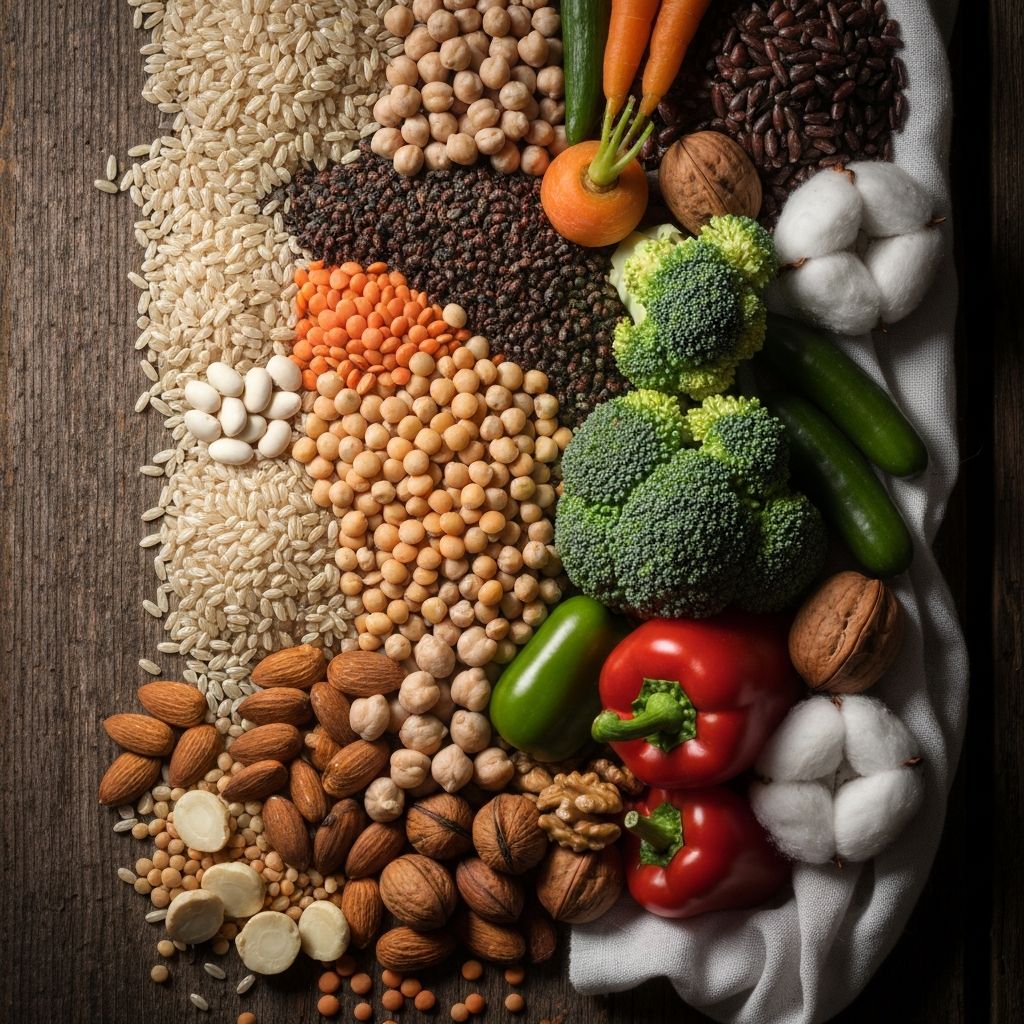
Most traditional dietary patterns feature substantial plant food consumption—vegetables, fruits, whole grains, legumes, nuts, and seeds—providing fiber, micronutrients, and phytonutrients.
Seasonal and Local Adaptation
Traditional patterns typically emphasize seasonal and locally available foods. This natural variation in consumption ensures diverse nutrient intake while supporting sustainable food systems.
Flexibility and Individual Variation
Traditional dietary patterns demonstrate that no single approach is mandatory for nutritional adequacy. Mediterranean, Asian, Latin American, African, and other traditional patterns all support health when properly composed. This diversity suggests that nutritional science supports flexibility in food choices.
Individual preferences, cultural traditions, food availability, ethical considerations, and health requirements all legitimately influence dietary choices. The commonality across healthful patterns is comprehensive nutrition through whole foods rather than adherence to a specific dietary model.
Modern Context and Traditional Wisdom
While modern nutritional science sometimes emphasizes specific nutrients or macronutrient ratios, traditional patterns often achieved nutritional balance through food combinations that naturally provided optimal nutrients.
Understanding both traditional patterns and modern nutritional science provides complementary insights. Traditional patterns offer proven approaches to nutritional adequacy, while modern science illuminates the mechanisms explaining why these patterns support health.
Information Context
This article examines traditional dietary patterns from a nutritional science perspective. Presenting diverse approaches is not intended to suggest that individuals should adopt any specific pattern, but rather to demonstrate that nutritional adequacy can be achieved through various evidence-supported approaches.
This information is educational and does not constitute medical advice or personal dietary recommendation. Individual nutritional needs vary based on health status, preferences, and circumstances. For personalized dietary guidance, consult qualified healthcare professionals.