The Role of Fiber in Nutrition
Dietary fiber plays a fundamental role in human nutrition and health. Understanding fiber's functions reveals why plant-based foods are central to nutritional science.
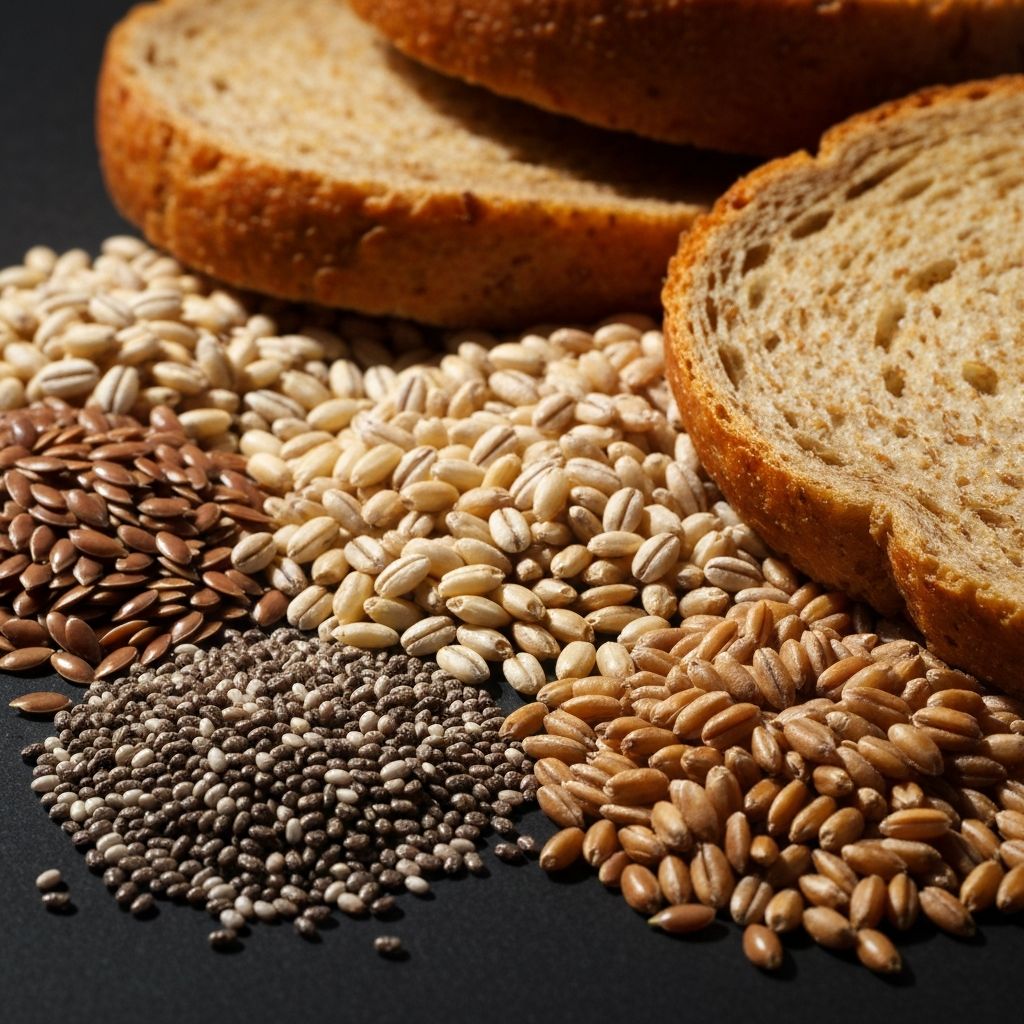
What is Dietary Fiber?
Dietary fiber consists of indigestible carbohydrates found primarily in plant foods. Unlike other carbohydrates, fiber cannot be broken down into glucose by human digestive enzymes, yet it plays critical roles in health and metabolic function.
Fiber is categorized into two main types: soluble fiber, which dissolves in water and forms a viscous substance in the digestive tract, and insoluble fiber, which remains largely intact as it passes through the digestive system.
Soluble Fiber
Soluble fiber includes substances such as pectin, beta-glucans, and gums. These fibers dissolve in the aqueous environment of the digestive tract and form a gel-like consistency. This characteristic influences blood glucose levels, cholesterol metabolism, and satiety.
Sources of soluble fiber include oats, legumes, apples, and various vegetables. The viscosity created by soluble fiber slows gastric emptying and nutrient absorption, which influences postprandial glucose and lipid responses.
Insoluble Fiber
Insoluble fiber includes cellulose, hemicellulose, and lignin. These fibers do not dissolve in water and maintain their structure as they transit the digestive system. They play essential roles in intestinal motility and bulk formation.
Insoluble fiber is abundant in whole grains, nuts, seeds, and the skin and seeds of fruits and vegetables. By increasing fecal bulk and promoting intestinal transit, insoluble fiber supports healthy digestive function.

Physiological Functions of Fiber
Digestive Health
Fiber promotes healthy intestinal motility, prevents constipation, and supports the growth of beneficial gut microbiota. A healthy microbiome is increasingly recognized as fundamental to overall health.
Blood Glucose Regulation
Soluble fiber slows glucose absorption, resulting in lower postprandial glucose peaks. This effect has implications for metabolic health and energy stability throughout the day.
Satiety and Energy Balance
Fiber's bulk and viscosity promote feelings of fullness and reduce energy density of foods. This contributes to satiety without providing caloric energy, supporting energy balance.
Fiber and Metabolic Health
Adequate fiber intake is associated with various markers of metabolic health. Research indicates connections between fiber consumption and healthier cholesterol profiles, improved insulin sensitivity, and more stable energy patterns.
The mechanisms are multifaceted: fiber influences nutrient absorption rates, modulates glucose responses, supports beneficial microbiota, and contributes to sustained satiety. These effects collectively support metabolic stability.
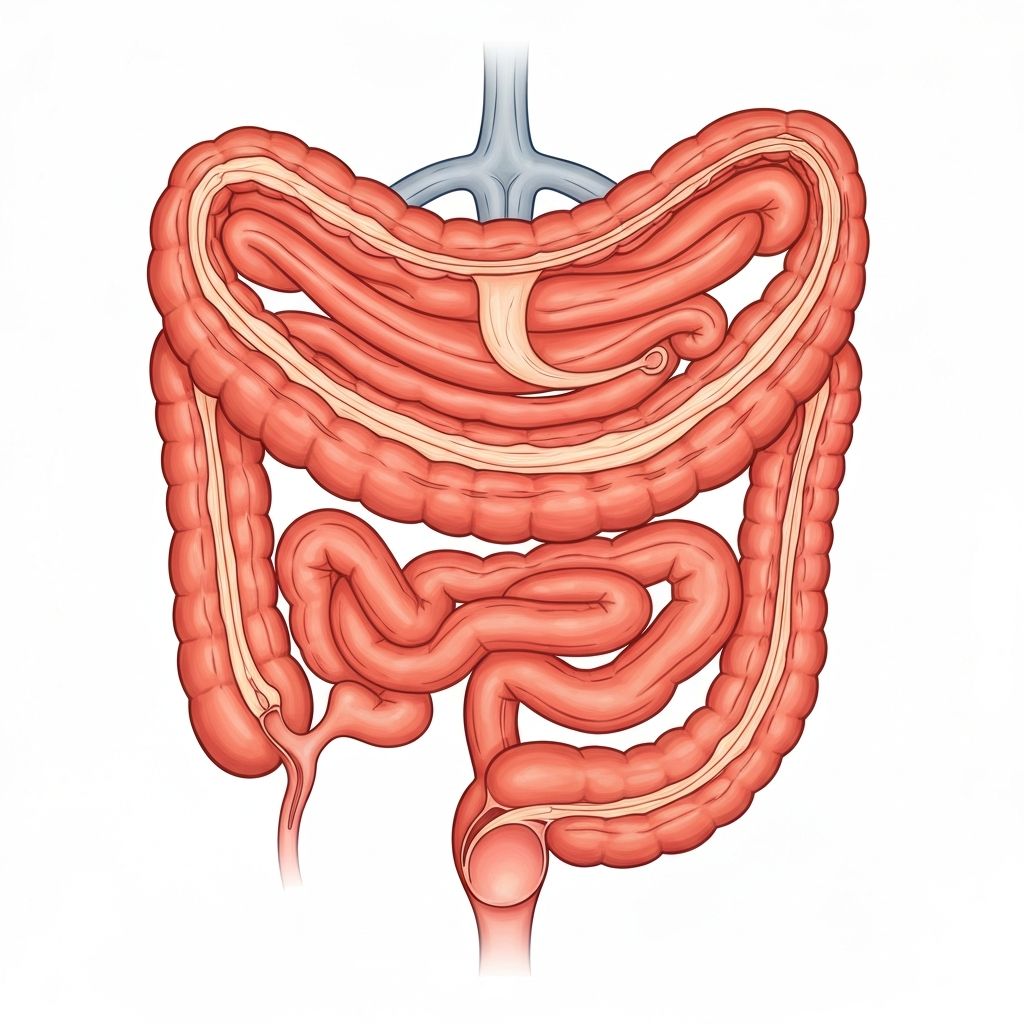
Sources of Dietary Fiber
Whole grains including oats, barley, brown rice, and whole wheat provide both soluble and insoluble fiber. Legumes such as beans, lentils, and chickpeas are particularly fiber-rich and also provide plant-based protein.
Vegetables and fruits contribute fiber while providing vitamins, minerals, and phytonutrients. Nuts and seeds offer concentrated sources of fiber along with healthy fats and micronutrients.
Variety in plant food consumption ensures exposure to different types of fiber and a spectrum of phytoactive compounds that work synergistically to support health.
Information Context
This article presents scientific information about fiber's role in nutrition and health. Individual responses to fiber may vary based on digestive health, medical conditions, and current dietary patterns. Changes to fiber intake should be gradual to allow digestive adaptation.
This information is educational and does not constitute medical advice. For specific guidance about fiber intake or nutritional changes, consult with qualified healthcare professionals.